
Salt supports better pasture utilisation and dry stock performance
Many New Zealand sheep and beef pastures are low in sodium and high in potassium. This imbalance limits how well animals can use pasture and convert it into liveweight gain, wool, and reproductive performance. Adding the right salt at the right time is a simple, proven way to support dry stock systems.
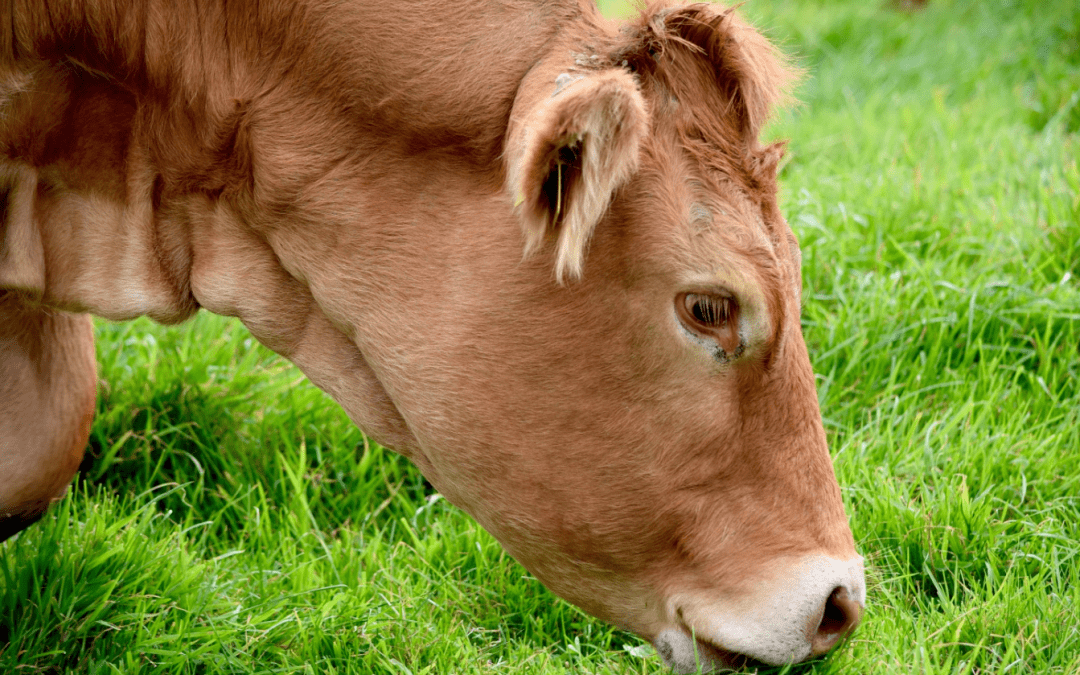
Dry stock sodium at a glance
- New Zealand pastures often supply plenty of potassium but very little sodium.
- Sodium rarely limits pasture growth, but it often limits animal performance in sheep and beef systems.
- Risk is highest in inland, low sodium soils and in classes of stock with higher demand such as lambs, weaners, flushing and lactating ewes, and beef cows with calves at foot.
- Direct supplementation with salt and, in some cases, sodium fertiliser on pasture can lift sodium intake and improve pasture use.
- On most sheep and beef farms, soil structural risk from sensible sodium fertiliser use is low but still needs to be considered on heavier and poorly drained soils.
The problem in New Zealand dry stock systems
Classic New Zealand pasture surveys and more recent regional work show that many inland sheep and beef pastures sit below the sodium levels likely to meet animal requirements. This is particularly true where potassium has been lifted by fertiliser, but sodium has not been added, and where species such as lucerne, browntop, cocksfoot and cereals dominate on low sodium soils.
Pasture can look green and productive while sheep and cattle are still short of sodium. The result is underused feed, slower liveweight gain, poorer wool growth and missed reproductive potential.
Why sodium matters for sheep and beef
Sodium is a key cation in the fluids and tissues of ruminants. It supports:
- Fluid balance and osmolarity in blood and rumen contents
- Nerve and muscle function
- Absorption of glucose and amino acids from the intestine
- Saliva production and rumen buffering
- Appetite and water intake
When dietary sodium is low and potassium load is high, animals need to work harder to maintain balance. In practice this often shows up as:
- Reduced appetite and lower dry matter intake
- Slower liveweight gain and delayed finishing
- Poorer body condition and ill thrift
- Reduced wool growth and fleece weight in sheep
- Lower milk yield in ewes and beef cows, with flow-on effects on lamb and calf growth
Where low sodium pastures are most likely
Sodium deficiency risk in sheep and beef systems is highest where several factors overlap:
- Distance from the coast: Inland Canterbury and Otago, central North Island hill country, parts of Wairarapa and Manawatū.
- Soil type: Pumice, some allophanic and recent soils with naturally low sodium reserves.
- Pasture and crop species: Lucerne, browntop, cocksfoot and cereal forages are often very low in sodium on inland soils.
- High potassium use: Regular potash fertiliser or effluent inputs without sodium additions.
- High demand classes: Rapidly growing lambs and weaner cattle, flushing and lactating ewes, and beef cows on dry summer pasture.
Animal requirements and pasture sodium levels
Standard requirement tables suggest the following approximate dietary sodium targets on a dry matter basis:
| Class of stock | Target dietary Na (g/kg DM) | Target dietary Na (% of DM) |
|---|---|---|
| Beef weaners and yearlings (moderate to high growth) | 0.8 to 1.2 | 0.08 to 0.12 |
| Mature beef cows (maintenance) | 0.6 to 0.8 | 0.06 to 0.08 |
| Lactating beef cows | 0.8 to 1.2 | 0.08 to 0.12 |
| Lambs and hoggets (high growth) | 0.7 to 1.0 | 0.07 to 0.10 |
| Ewes (maintenance) | 0.4 to 0.7 | 0.04 to 0.07 |
| Ewes (flushing and lactation) | 0.7 to 1.0 | 0.07 to 0.10 |
Pasture sodium needs to be high enough that, when combined with intake and any supplements, the total diet meets these targets. For practical interpretation on farm, pasture sodium can be grouped into broad categories:
| Herbage Na (% of DM) | Category | Likely animal status in sheep and beef systems |
|---|---|---|
| < 0.02 | Severe deficiency | High risk of sodium deficiency in all classes, strong drive to consume salt. |
| 0.02 to 0.04 | Deficient | Lambs, weaners and lactating ewes or cows at clear risk of deficiency. |
| 0.04 to 0.05 | Marginal for sheep | Adequate for maintenance, marginal for flushing and lactation in ewes. |
| 0.05 to 0.08 | Marginal for cattle | Generally adequate for sheep, marginal for high growth beef animals. |
| 0.08 to 0.12 | Adequate | Adequate for most dry stock in temperate conditions. |
| > 0.12 | High | No deficiency risk. Check overall salt load if supplements are also fed. |
How salt fixes the problem
Adding sodium chloride is the simplest way to lift sodium intake and balance the effect of high potassium in sheep and beef systems. Trials in New Zealand and overseas show that where pasture sodium is clearly deficient, supplementary sodium can:
- Increase dry matter intake and improve pasture clean up
- Lift liveweight gain in lambs and weaner cattle
- Support better wool growth and fleece weight
- Improve body condition and reproductive performance in ewes and beef cows
Responses are strongest where sodium is genuinely limiting and other nutrients such as energy, protein and key trace elements are adequate.
How to use salt on sheep and beef farms
There are two main approaches to sodium management in dry stock systems. In most cases, direct supplementation to animals is the first step, with sodium fertiliser considered on selected paddocks where it is justified.
1. Supplement animals directly
Direct supplementation is usually the most flexible and cost effective way to supply sodium to sheep and cattle. Common methods include:
- Loose salt or mineralised mixes offered in troughs
- Plain or mineralised salt blocks and licks
- Salt included in feed mixes or dusted onto hay or silage where practical
When pasture sodium is clearly deficient, indicative targets for additional sodium from supplements are:
| Class of stock | Typical liveweight | Target additional Na (g/head/day) | Approximate salt (NaCl) (g/head/day) |
|---|---|---|---|
| Lambs and hoggets (finishing) | 30 to 45 kg | 3 to 6 | 8 to 15 |
| Weaner beef cattle | 150 to 250 kg | 6 to 12 | 15 to 30 |
| Ewes (flushing and early lactation) | 60 to 75 kg | 4 to 8 | 10 to 20 |
| Beef cows (late pregnancy and lactation) | 500 to 600 kg | 8 to 15 | 20 to 38 |
These figures are starting points only. Actual intakes should be monitored and adjusted with veterinary or nutrition advice, especially where other minerals are included in salt mixes.
2. Apply salt to pasture
Sodium fertiliser can be used to raise herbage sodium and improve the potassium to sodium ratio, particularly on key finishing paddocks or lucerne stands where direct supplementation is difficult or highly variable.
- Open salt rate calculator
- Typical trial rates are around 50 to 100 kg sodium chloride per hectare (about 20 to 40 kg sodium per hectare).
- Applications can lift herbage sodium for several months and help provide a more even intake for all animals grazing the paddock.
- On free draining soils, lighter applications repeated over time can help maintain sodium availability.
The cost per unit of sodium delivered is usually higher than with direct supplementation, so fertiliser use is best targeted to situations where the additional control and consistency are valuable.
3. When to increase salt use in dry stock systems
- On inland or low sodium soils where pasture tests confirm deficiency.
- When lambs, hoggets or weaner cattle are not achieving target growth rates despite adequate energy and protein.
- On lucerne, browntop or cereal forages with very low sodium content.
- When ewes or cows show strong salt craving or persistent ill thrift.
Soil and environmental considerations
In most New Zealand pastoral soils, exchangeable sodium percentage (ESP) is naturally low. Surface applications of sodium chloride at typical agronomic rates on well drained soils with adequate calcium and magnesium are unlikely to push ESP into a harmful range.
Higher risk situations include:
- Heavy clay soils with low calcium saturation
- Peat and some organic soils
- Poorly drained depressions where sodium can accumulate
- Repeated high rate sodium applications without leaching
On high potassium pastures, sodium management must also be integrated with magnesium and calcium strategies. Where grass tetany risk is present, ensuring adequate magnesium supply is the first priority and sodium use should be managed with professional advice.
Practical decision framework for sheep and beef farms
- Screen for risk: Use regional knowledge, soil type, distance from the coast and pasture species to identify likely low sodium paddocks.
- Test and interpret: Pasture test sodium, potassium and magnesium on representative paddocks at risk and interpret using sodium categories and potassium to sodium ratios.
- Trial sodium supplementation: Provide controlled access to loose salt or suitable mineralised mixes for target classes (for example finishing lambs, weaner cattle) and monitor intake and performance over several weeks.
- Evaluate economics: Compare changes in liveweight gain, finishing time and animal condition to the cost of sodium supplied.
- Consider sodium fertiliser on selected paddocks: Where pasture sodium is consistently low and supplementation is difficult or uneven, consider sodium fertiliser on key finishing or lucerne paddocks, while monitoring soil sodium and ESP.
- Integrate with wider nutrient and health management: Ensure metabolisable energy, protein and trace elements are not limiting and use pasture testing, animal tests and production records together rather than relying on sodium alone.
Salt product options for dry stock
Different sheep and beef systems call for different salt formats. Common options include:
- Feed grade fine salt for inclusion in blends, premixes and on feed.
- Coarse agricultural salt for pasture spreading or dusting onto hay or silage.
- Mineralised salt blocks where sodium and key trace elements are required together.
- Specialty blocks and licks for targeted use with specific classes of stock or risk periods.
Your local merchant, fertiliser representative or nutrition adviser can help match product type and rate to your pasture, stock class and system.
Resources and next steps
For more detail on application rates, pasture responses and the science behind sodium and potassium balance in dry stock systems, talk with your nutrition adviser or merchant, and explore the technical resources available from Dominion Salt.
Disclaimer
This page provides general technical guidance based on published research and typical New Zealand conditions. It does not replace farm specific diagnosis or professional advice. Before making significant changes to fertiliser or supplementation programs, farmers should consult a veterinarian, animal nutritionist or qualified nutrient management adviser and use appropriate soil, herbage and animal testing.
